
Artificial intelligence is no longer a futuristic idea. It already helps doctors, researchers, hospitals, and everyday people make better health decisions. From spotting diseases earlier to improving access to medical advice, AI is becoming a useful tool in healthcare.
Still, technology alone cannot solve every health challenge. AI works best when people use it wisely and focus on practical goals. The real opportunity is not replacing healthcare professionals. It is helping them work faster, smarter, and more effectively.
Making Healthcare More Accessible

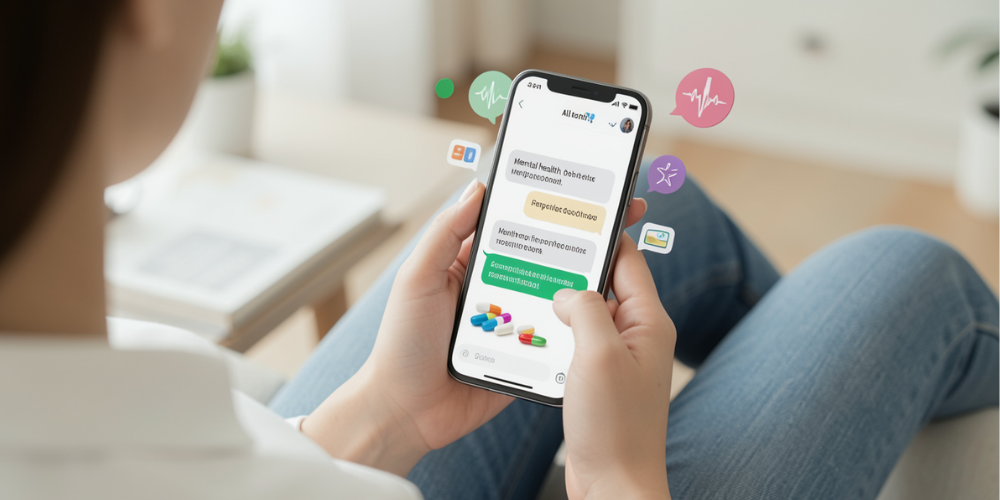
Chatbots, symptom checkers, and virtual assistants can answer basic health questions at any hour of the day.
These tools cannot replace a doctor. They can help people understand symptoms, learn about treatment options, and decide when professional care is needed. This saves time and makes healthcare information easier to reach for more people.
AI can also help translate medical information into different languages. Many patients struggle to understand complex health instructions. Clear translations can improve communication and reduce confusion during treatment.
Better communication leads to better outcomes. Patients who understand their care plans are more likely to follow them and make informed decisions about their health.
Helping Doctors Detect Problems Earlier
Early detection remains one of the biggest factors in successful treatment. AI systems can analyze medical scans, lab results, and health records much faster than manual review alone. This helps doctors identify warning signs sooner.
When diseases are found early, treatment options are often more effective. Patients may avoid serious complications and improve their chances of recovery.
AI is already helping specialists review X-rays, MRI scans, and other medical images. It can highlight unusual patterns that deserve a closer look. Doctors still make the final decisions, but AI provides valuable support.
This partnership allows healthcare professionals to focus on patients while technology handles repetitive analysis. The result is a faster and more efficient process.
Supporting Disease Prevention

Wearable devices and health apps collect information about sleep, exercise, heart rate, and daily habits.
The data can reveal trends that people might miss on their own. Small lifestyle adjustments can then be made before health issues become more severe. For example, AI-powered systems can encourage healthier eating habits, remind users to stay active, or alert them to unusual changes in vital signs. These reminders may seem simple, but they can make a meaningful difference over time.
Healthier daily choices often reduce the risk of chronic diseases. That benefits individuals, families, and healthcare systems alike.
Speeding Up Medical Research
Medical research often takes years. Scientists must analyze huge amounts of information before reaching reliable conclusions. AI can process large datasets much faster than traditional methods.
Researchers can identify patterns, test ideas, and find promising leads in less time. This helps move discoveries forward more quickly.
AI is also helping scientists search for new treatments. It can analyze chemical compounds and predict which ones may work against certain diseases. This reduces the amount of trial and error involved in drug development.
Improving Public Health Decisions
Governments and health organizations must make decisions that affect millions of people. AI can help them understand health trends by analyzing large amounts of data from different sources.
This information can reveal where outbreaks are spreading, which communities need more support, and where resources should be directed.
During public health emergencies, speed matters. AI can help officials monitor changes and respond more quickly. Faster responses often reduce the impact of disease outbreaks and protect vulnerable populations.