
Family always came first. That is what made the move from Maryland to Germany both exciting and painful for this American family of four. The opportunity to live abroad pulled them together in ways they never expected. But the space it created between them and their loved ones back home left a deep ache.
They were used to Sunday cookouts, birthday dinners, and spontaneous visits with grandparents, cousins, aunts, and uncles. That kind of closeness defined their lives in the U.S. But when the husband received a multi-year job assignment in Germany, it was too good to pass up.
So, they packed up their lives, said goodbye to the familiar, and jumped into something new.
The relocation gave the mother a rare break. She stepped away from her job and got the chance to focus on their two boys, ages 10 and 6. Without meetings and deadlines tugging at her, she leaned fully into motherhood. The slower pace reminded her of her own childhood, when her mom was always around. She found herself present in ways that had been slipping away in the rush of everyday life back home.
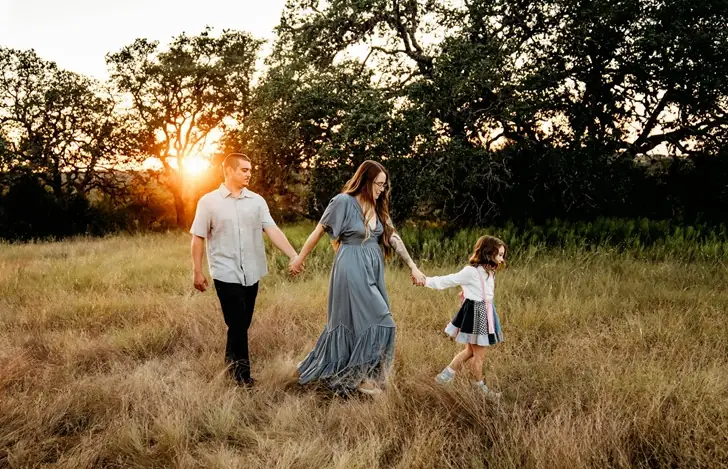
The family traveled to Norway, explored castles, and strolled through cobbled streets lined with history. Every trip brought new memories. The boys learned how to ask for pastries in German and became curious about different ways people live. Teachers praised their openness and willingness to try new things.
They Miss Their Extended Family Back Home
Still, the distance from home took a toll. They missed birthdays, cookouts, new babies, and even a hospital stay. Video calls and text messages helped. But it wasn’t the same as sitting in the same room, laughing over inside jokes, or passing around plates of food. Family updates came through texts instead of hugs.
The mother found it hardest during quiet moments, like when she saw photos of her niece’s birthday party and realized her sons weren’t in the picture.
Germany has its upsides for families. Spouses and kids can join skilled workers who secure visas like the EU Blue Card. The process can be a bit of a hurdle, with paperwork and language rules, but it is doable. Once you are in, the system supports families pretty well.
Healthcare is affordable, schools encourage independence, and there is a strong focus on outdoor play. Other expat families they met echoed the same: Germany makes space for families to thrive, just in a different way than the U.S.
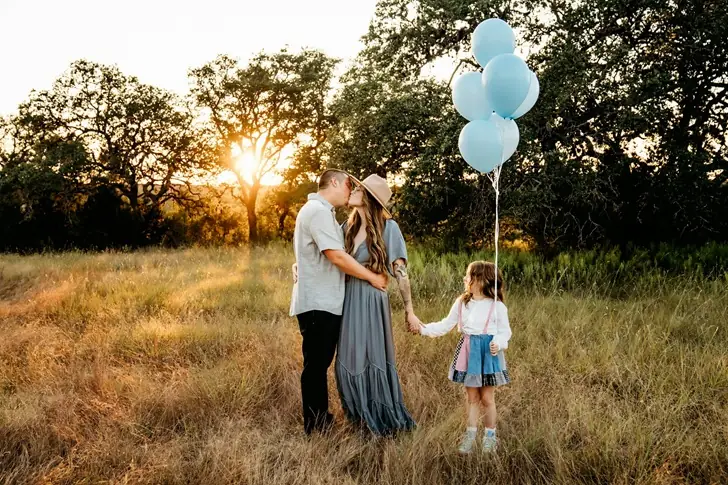
While they were forming tighter bonds within their own household, they also felt the absence of the bigger family network that once made life easier and warmer.
The mother doesn’t regret the move. She is grateful for the time she has had with her kids and the chance to step off the treadmill for a while. Watching them flourish in a new environment has been one of the biggest joys of her life. Yet, the longing for home stays with her—not just for the place but for the people.
What surprised them most was how the move changed their idea of family. It stopped being about a location or routine. It became about the four of them, weathering every new challenge together. They learned to lean on each other more. Dinners felt more meaningful. Conversations went deeper. Even the hard days brought them closer.